Ask a site-based project manager what they actually want from a labour hire company and the answer is rarely “the cheapest rate.” It’s workers who turn up when they say they will, hold the right tickets for the job, and don’t need to be managed from day one. Everything else, including price, comes after that.
If you’re deciding whether your current labour hire arrangement is pulling its weight, or shopping around for a new one, these are the things that separate a provider worth keeping from one that’s just filling a roster.
The right worker: what a labour hire company should deliver first
A PM doesn’t want a body on site. They want someone who can actually do the job they were sent for, with the tickets and experience to match. Sending an unqualified worker to save time on screening costs more than it saves: it slows the crew down, creates rework, and puts safety on the line.
A labour hire provider that’s worth using screens for the right tickets and licences for the role before anyone sets foot on site, not after. That’s the whole point of using a provider at all. If you’re doing that vetting yourself every time a worker arrives, the labour hire service isn’t doing its job.
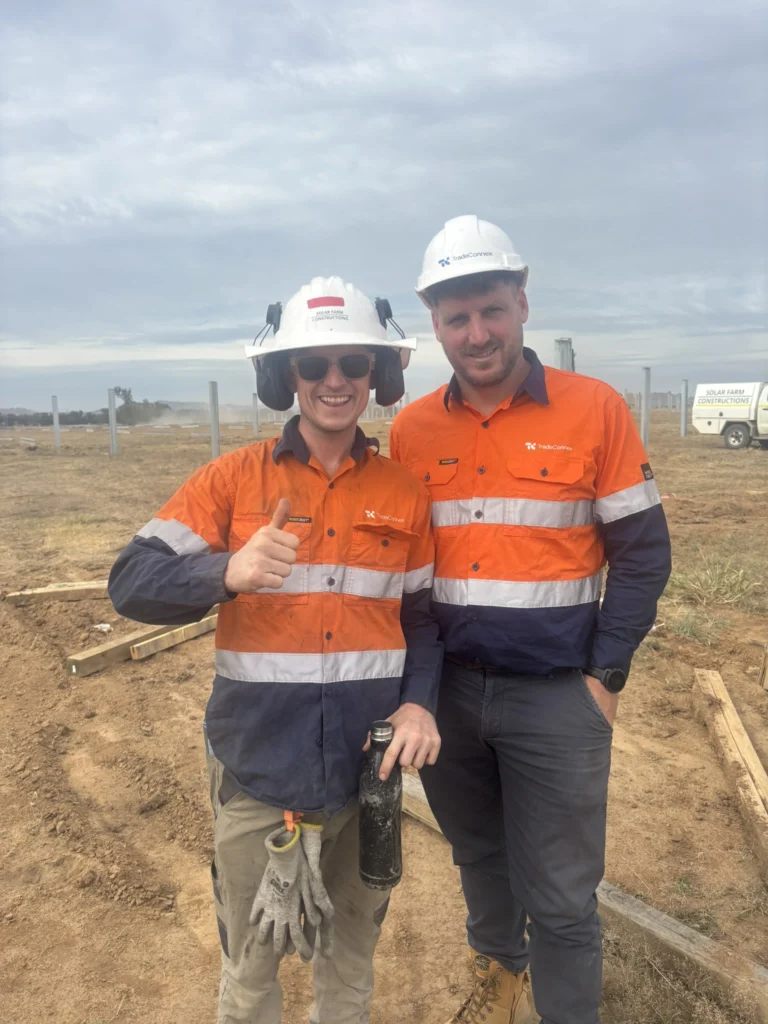
This is one of the reasons TradeConnex exists as our labour hire service: matching workers to sites who already have what the role requires, not just anyone with a pulse and a hi-vis vest.
Reliability you don’t have to chase
Programs slip when workers don’t show up, and PMs spend enough of their week chasing subcontractors without also having to chase labour. What they want is a provider who tells them early if there’s a gap, not one they find out about when the crew is short on a Monday morning.
That reliability isn’t about promising an exact number of hours to fill a gap. It’s about a provider that treats your program as seriously as you do, communicates proactively, and has a genuine pool of workers to draw on rather than scrambling every time a job comes in.
Compliance handled properly, not assumed
Every PM has, at some point, inherited a headache because a labour hire worker’s ticket had lapsed, or nobody checked their induction was current. That risk sits with the site, not just the worker, which is exactly why compliance-first labour hire matters more than a low rate.
A good provider takes on the employment and safety obligations that come with placing someone on your site, so the PM isn’t left managing paperwork on top of the build itself. That’s the value of using labour hire over trying to source and manage casual labour directly.
Flexibility when the program changes
Builds rarely run to the original plan. A crew might need to scale up fast for a pour, or scale back once a stage wraps. PMs want a labour hire partner who can move with that, rather than locking them into a fixed headcount that doesn’t match the actual work in front of them.
This is also where the labour hire model itself earns its keep against other hiring options. If a role genuinely needs to be permanent, permanent recruitment is the better fit; if the need is tied to a project or a peak in the program, labour hire gives you the flexibility to flex the crew without carrying that headcount once the job’s done.
A single point of contact who picks up the phone
Finally, PMs want one person to call when something changes, not a call centre or a rotating account manager who doesn’t know the site. Knowing who to call, and getting a straight answer, is worth more to a busy PM than almost anything else on this list.
The bottom line
None of this is complicated, but it’s surprisingly rare to get all of it from one provider. The right workers, shown up reliably, compliant from day one, flexible as the program shifts, and a person who actually answers the phone. That’s what a labour hire company is meant to deliver.
If your current setup isn’t giving you that, it’s worth a conversation. Tell us what you need on site and we’ll talk through how TradeConnex can crew your next stage.