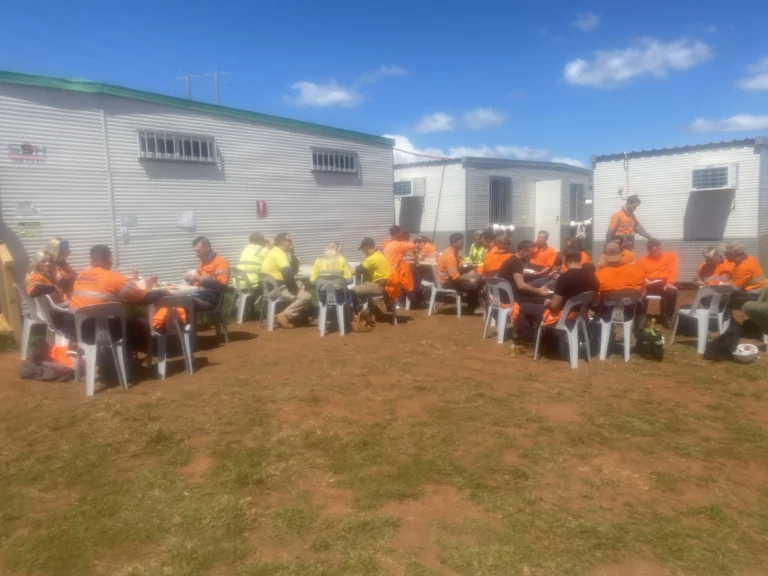

Short of plumbers and don’t want to commit to a permanent hire? Hiring plumbers through labour hire gets a licensed plumber on your site, employed and paid by the provider, directed by you day to day. Here’s what the process actually looks like.
How hiring plumbers through labour hire works
You tell the provider what you need: the role, the site, and how long the job runs. The provider supplies a worker who is already employed by them, not by you. You direct the work on site, the same as you would any other trade on the job, but the paperwork sits with the provider.
This is why labour hire suits plumbing work that’s project-based or seasonal: a fit-out that needs an extra set of hands for six weeks, a defined scope on a larger build, or a gap while you’re between permanent hires. You scale the crew up when the job needs it and scale back down once it’s done, without running a redundancy process.
Through our labour hire service, you brief the role and site and we handle finding and supplying a worker who’s ready to start.
What gets checked before someone’s on your site
Before a plumber is placed, the provider should be screening for the right tickets and licences for the role, not just availability. Anyone carrying out construction work in Australia also needs to hold a general construction induction card, commonly known as a White Card, so that’s a baseline check on top of trade-specific licensing.
Licensing requirements for plumbing work vary by state and by the type of work involved, and it’s worth confirming the current requirements with the relevant state licensing authority before a worker starts, rather than assuming one state’s rules apply everywhere. A reputable labour hire provider builds that check into how they place people, so it’s not something you have to chase yourself for every placement.
Payroll and WHS: handled for you, not by you
One of the main reasons businesses use labour hire for trades like plumbing is that the provider takes on the employment side. The worker is on the provider’s payroll, and the provider carries the employment and workplace health and safety obligations that come with being their legal employer. You’re still responsible for site safety and the conditions the worker is doing the job in, but you’re not the one running their payroll.
That split is worth understanding before the worker turns up: you manage what happens on site, the provider manages the employment relationship behind it.
Scaling the crew as the job changes
Plumbing work on a build rarely runs at a flat pace. Rough-in might need three plumbers for two weeks, then one for the rest of the fit-out. Labour hire lets you match the crew to that curve instead of carrying a fixed headcount through the quiet stretches, or scrambling to find someone when the workload spikes.
When a permanent hire makes more sense
If you keep needing a plumber on the books, not just for one job but as an ongoing part of your team, labour hire probably isn’t the long-term answer. At that point, a permanent placement is usually the better fit: someone hired directly into your business, for as long as the role exists, rather than a worker who moves between sites and providers.
The two aren’t an either/or across your whole business. Plenty of employers run a small permanent core and bring in labour hire plumbers around it for peaks and short-notice gaps.
Get plumbers on your site
If you’ve got a plumbing role to fill, on one job or on an ongoing basis, hiring plumbers through labour hire is worth a conversation before you commit either way. Tell us what you need on site and we’ll talk it through. Request workers and we’ll take it from there.
This article is general information only and current at the time of publication. Requirements can vary by state, role, industry and individual circumstances. Before acting, confirm the current details with the relevant authority, for example SafeWork (tickets and workplace safety), the ATO (tax and superannuation) or the Fair Work Ombudsman (pay and entitlements).